

industry use cases - Shipping and TrackingFast, Flexible, and Always Accurate — Even When Your Orders Aren’t.
Fast, Flexible, and Always Accurate — Even When Your Orders Aren’t.
Streamline labelling across every fulfilment, shipping, and return process with real-time automation.
In logistics and distribution, precision and speed are everything. Your labels carry the data that keeps the whole supply chain moving — and when things get busy, misprints, missing labels, or manual bottlenecks can throw your operation into chaos.
As a logistics or warehouse manager, you’re navigating ever-changing order volumes, SKU complexity, and last-minute changes. And with next-day delivery now the standard, every second counts. Manual labelling? It just can’t keep up.
That’s where Scan, Print & Apply comes in. Our SPA systems bring real-time data, intelligent label switching, and inline application to your packaging and logistics lines. No delays. No rework. No mistakes.
Here’s how SPA helps logistics and distribution teams label with confidence:
The Challenge:
Shipping and tracking labels are critical to getting orders out on time and accurately. But printing and applying them by hand can slow your lines and introduce costly errors. When your team is juggling hundreds of orders per hour, even the smallest delay adds up fast. Mislabelled packages create a domino effect of missed shipments, unhappy customers, and return headaches.
How SPA Solves It:
✔ Automatically prints and applies tracking labels to any size package or pallet
✔ Syncs directly with your WMS, TMS, or carrier system to pull accurate shipping data
✔ Ensures barcode readability and label placement through inline verification
Implementation Example:
A 3PL uses SPA to label mixed-size shipments for eCommerce brands. Each box receives the correct label in real time, matched to its contents and destination.
The Challenge:
Order mixes change constantly. You need to print custom labels — contents, weight, destination — on the fly. Manual entry or pre-printing isn’t just time-consuming — it’s risky when SKUs shift minute by minute. Mistakes here can cascade into sorting errors, mis-picks, and rework across the floor.
How SPA Solves It:
✔ Instantly generates the correct label based on scanned item or order ID
✔ Eliminates manual sorting or pre-printing
✔ Adapts to last-minute changes in order contents or routes
Implementation Example:
A distribution centre scans cartons as they come down the line. SPA prints and applies the correct destination label based on order contents pulled from the ERP.
The Challenge:
In fast-paced cross-dock and staging zones, mislabelled totes and pallets lead to inventory errors and misroutes. It only takes one incorrect label to send a shipment to the wrong zone — or worse, the wrong truck. Your team needs a system that keeps up with real-time routing and never misses a scan.
How SPA Solves It:
✔ Applies zone or route labels as items move through inbound and outbound stages
✔ Uses scanners to trigger label logic with no manual data entry
✔ Links every label to shipment and location data in your WMS
Implementation Example:
A logistics hub uses SPA to label inbound pallets with dock and aisle codes. Labels are applied in real time as shipments are scanned in.
The Challenge:
Returned goods need to be relabelled fast — with the right data for reshelving, repair, or disposal. Without automation, this becomes a slow, manual process filled with paperwork and guesswork. Poorly labelled returns end up in limbo, wasting warehouse space and slowing recovery timelines.
How SPA Solves It:
✔ Prints return and disposition labels based on scanned item data
✔ Supports multiple label formats — repackaging, QA, or destruction
✔ Cuts relabelling time and eliminates guesswork
Implementation Example:
A retailer’s returns centre uses SPA to relabel items with condition codes and new routing info before returning them to inventory
The Challenge:
Every order is different — and when you’re packing hundreds per hour, fixed labels just won’t do. Static labels can’t keep up with today’s customisation demands and rapid order changes. Without on-the-fly printing, packers waste time, increase error rates and delay last-mile delivery.
How SPA Solves It:
✔ Generates and applies labels in real-time as each order is picked
✔ Includes order ID, item summary, or customer details on the fly
✔ Speeds up pack out and improves first-pass accuracy.
Implementation Example:
In an eCommerce warehouse, SPA prints packing slips and shipping labels inline during order consolidation. No manual printing, no delays.


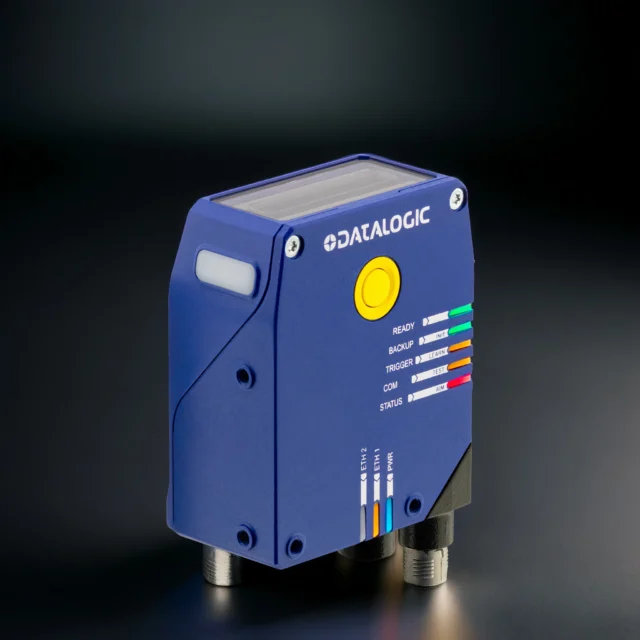
product storyHow SPA Reduced Errors and Optimised Pick-Pack Labelling for a 3PL
Picture this: A third-party logistics provider was under pressure from retail clients. During peak weeks, they were missing shipments, relabelling returned items, and losing time hunting for mismarked pallets.
⚠ Manual labelling caused packing delays and inconsistent box routing
⚠ Pre-printed labels often mismatched fast-changing SKU loads
⚠ Returns came back unscannable, wasting valuable warehouse space
After implementing SPA:
✔ 40% drop in labelling errors with inline scan-print-apply logic
✔ 35% improvement in fulfilment speed during peak periods
✔ Return intake is now fully automated with relabelling at the scan-in station
The result? Faster pack-out, smoother returns, and a reputation for flawless delivery.

featured resoursesDive Deeper into SPA for Logistics & Distribution

FAQsEverything You Need to Know About SPA in Logistics
How does SPA reduce manual errors in a busy warehouse?
SPA pulls live data from your WMS or scan input, prints the correct label, and verifies it — removing guesswork and manual input.
Will it slow down our fulfilment process?
Not at all. SPA operates inline at full conveyor speeds, adapting to order changes without delays.
Can it support cross-dock and return operations?
Yes. SPA dynamically prints zone labels, return codes, and inbound disposition data — streamlining all sides of logistics.
Is it hard to integrate with our current WMS?
Nope. SPA systems are WMS/ERP agnostic and can integrate via APIs, middleware, or simple file transfer methods.
Can we start small and scale up?
Absolutely. Start with one station and expand as volume or complexity grows — we’ll scale with you.